
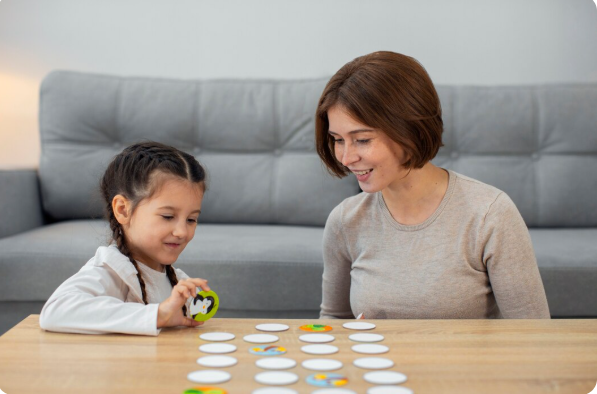
When a child with autism struggles at school, it rarely shows up as one big problem. It shows up in dozens of small moments: a missed instruction, a meltdown when the schedule changes, sitting alone at lunch, or a worksheet left blank because getting started felt impossible. Each of those moments is a skill that can be taught.
That is what school-based ABA therapy does. Instead of treating "school problems" as one thing, it identifies the specific skills your child needs and builds them one at a time, right in the classroom where they matter. If you are a Muscatine parent trying to picture what your child would actually gain, this guide walks through the concrete skills school-based ABA targets and how you can tell it is working.
Why the Classroom Is the Right Place to Build These Skills
Applied Behavior Analysis breaks a complex skill into small, teachable steps and reinforces each one until your child can do it independently. The reason this works so well at school is location. A skill practiced in the place it is needed sticks far better than one practiced in a separate room.
A child who learns to raise their hand during a real lesson, with real classmates and real waiting involved, has learned something durable. The same skill rehearsed in isolation often falls apart the moment the real classroom adds noise, peers, and pressure. You can read more about how this method works on our school-based ABA therapy service page.
According to the CDC, about 1 in 31 eight-year-old children has been identified with autism spectrum disorder, so the skills below are ones many Muscatine classrooms are already working to support.
Focus and Following Classroom Instructions
For a lot of children with autism, the hardest part of the school day is simply staying with a task. Lessons move quickly, instructions come in multiple steps, and distractions are everywhere.
A school-based therapist works on attention and task persistence in the moment. They might help your child break an assignment into smaller chunks, use a visual cue to refocus, or follow a two-step then three-step instruction without getting lost. Over time the support fades as your child carries more of the load alone. The goal is not a child who needs constant prompting, but one who can settle in and work.
Managing Transitions Without Meltdowns
Moving from one activity to the next is one of the most common triggers for difficult behavior at school. The shift from a preferred activity to a non-preferred one, or from free time back to structured work, can feel jarring.
ABA therapists teach transition skills directly: previewing what comes next, using a countdown or visual schedule, and practicing calm responses to change. A child who once shut down at every transition can learn to move through their day with far less friction. This is one of the skills parents notice fastest, because a calmer transition at school often means a calmer child at pickup.
Social Skills and Real Friendships
The school day is full of social moments that are nearly impossible to recreate anywhere else: sharing at a table, joining a game at recess, handling a disagreement, reading whether a classmate wants to play. These are exactly the skills school-based ABA is built to grow.
Therapists coach your child through these interactions as they happen, with actual peers. They model how to start a conversation, prompt turn-taking, and help your child notice and respond to social cues. Friendships that form this way are real, not rehearsed, and they often become one of the most meaningful outcomes for families.
Communication That Works for Your Child
Many challenging behaviors come from a communication gap. A child who cannot express frustration, ask for a break, or request help may act out instead, simply because that is the only tool available.
School-based ABA focuses on giving your child a better tool. That might mean building spoken language, teaching a few key requests, or using a communication device or picture system. As your child gains a reliable way to express needs, the behaviors that came from frustration tend to fade on their own.
Self-Management and Independence
The long-term aim of school-based ABA is a child who needs less support, not more. So alongside specific skills, therapists build the habits that let your child manage their own day.
This includes organizing materials, checking a personal schedule, recognizing when they need a break and asking for one, and self-monitoring behavior. Each of these moves your child toward independence and toward a classroom experience where they feel capable rather than constantly corrected.
How You Can Tell School-Based ABA Is Working
Progress in ABA is not a feeling, it is measured. Here is what to look for and ask about so you know your child is genuinely moving forward:
Ask for the data, not just impressions. Every plan tracks specific, measurable goals. Request a regular summary so you can see exactly which skills are improving and by how much.
Watch for skills showing up at home. When a behavior practiced at school, like asking for help or handling a change in plans, starts appearing at home, that is real generalization and a strong sign of progress.
Listen to the teacher's feedback. Classroom teachers see your child all day. Their observations about focus, participation, and peer interaction are one of the clearest progress signals available.
Note fewer crisis moments over time. A steady drop in meltdowns, shutdowns, or removals from class usually means your child has gained the skills to cope with what used to overwhelm them.
Building These Skills With A New Start ABA in Muscatine
At A New Start ABA, our team works inside Muscatine schools alongside teachers and IEP coordinators to target the exact skills your child needs. Every therapist is supervised by a Board Certified Behavior Analyst (BCBA) and holds RBT credentials, and every plan is shaped by data we collect and review continually.
Because skills built at school matter most when they carry into the rest of life, we also coordinate with families and, when it helps, with in-home ABA therapy so progress follows your child home. To see the full range of local options, visit our ABA therapy in Muscatine, Iowa page.
Frequently Asked Questions About School-Based ABA Skills in Muscatine
Which skills does school-based ABA prioritize first?
A BCBA assessment identifies the skills that will have the biggest impact on your child's day, often focus, transitions, communication, or social interaction. The plan starts there and expands as your child progresses.
How are these skills different from what a special education teacher provides?
School-based ABA works alongside special education, not in place of it. The therapist provides one-on-one, data-driven support for specific behavior and skill goals, reinforcing the same expectations your child's teacher and IEP team are working toward.
Will my child be singled out in front of classmates?
No. Therapists support your child as naturally as possible within classroom activities, and the aim is always to help your child participate more fully with peers, not stand apart from them.
How long before a new skill becomes independent?
It varies by child and by skill, but because school-based ABA teaches skills where they are used, they tend to become independent faster. Your BCBA tracks each goal so you can see the pace of progress directly.
Does insurance in Iowa cover this kind of support?
Many Iowa plans, including Medicaid and several private insurers, cover ABA therapy for autism. Coverage can vary by setting, so we offer insurance verification to confirm your benefits before therapy begins.
Helping Your Child Thrive Where Their Day Happens
Every skill on this list adds up to the same thing: a child who can take part in their school day with more confidence and less struggle. School-based ABA therapy builds those skills in the place they are needed, so progress becomes part of how your child lives, not something that stays behind in a therapy room.
If you want to understand which skills would help your child most, contact A New Start ABA for a free consultation. Our Muscatine team will assess your child's needs and build a plan focused on the skills that will make the biggest difference.