

The Ultimate Guide to Choosing Aba Therapy Providers in Iowa

Discover everything Iowa families need to know about ABA therapy. Our comprehensive guide covers costs, insurance, provider selection, and local resources for Muscatine, Wilton, Durant, and surrounding communities. Get expert advice on finding the right ABA therapy for your child.

January 29, 2026

The Ultimate Guide to Choosing Aba Therapy Providers in Iowa

Raising a child with Autism Spectrum Disorder (ASD) can present unique challenges, and finding the right support is a crucial step towards their growth and development. For families across Iowa, especially those in Muscatine and surrounding rural communities, understanding available therapies and how to access them is essential. 

Applied Behavior Analysis (ABA) therapy stands out as a highly effective, evidence-based intervention. It helps children and individuals with autism develop new skills, reduce challenging behaviors, and enhance their overall quality of life. This guide is your comprehensive resource for navigating the landscape of ABA therapy in Iowa and finding the best fit for your family. 

We understand the journey can feel overwhelming, with questions about where to start, what to expect, and how to manage costs. Our goal is to provide clear, practical information, empowering you to make informed decisions for your child's future.

Understanding ABA Therapy in Iowa 

What is ABA Therapy and Why It's Essential for Iowa Children 

Applied Behavior Analysis is a scientific approach to understanding behavior and how it is affected by the environment. In the context of autism, ABA therapy uses these principles to teach socially significant behaviors. This includes improving communication skills, social interactions, academic abilities, and daily living skills, while also addressing challenging behaviors like aggression or self-injury. 

Decades of research support ABA as an effective treatment for individuals with ASD. It is endorsed by numerous government agencies and professional organizations, including the American Academy of Pediatrics. The therapy is highly individualized, meaning it is tailored to each child's unique needs and goals. 

For children in Iowa, access to quality ABA services can significantly impact their developmental trajectory. Early intervention, often delivered through ABA, is particularly beneficial, helping children build foundational skills during critical developmental periods. This proactive approach can lead to lasting positive changes. 

The Iowa Autism Landscape: Statistics and Challenges 

Autism Spectrum Disorder is increasingly recognized across Iowa. While precise state-specific prevalence rates can vary, national trends suggest that approximately 1 in 36 children are identified with ASD. This means many Iowa families are seeking effective therapeutic interventions. 

However, families in Iowa, especially those in rural areas like Muscatine County, often face unique challenges in accessing care. There is a shortage of qualified ABA professionals, known as Board Certified Behavior Analysts (BCBAs), throughout the state. Currently, fewer than 200 BCBAs are licensed in Iowa, which impacts service availability. 

This shortage can lead to long wait times and limited options, particularly in smaller communities such as Wilton, Durant, Stockton, Walcott, Blue Grass, Moscow, Atalissa, Buffalo, and West Liberty. Many providers tend to concentrate in larger metropolitan areas, leaving rural families with fewer choices and longer travel distances for services. 

The ABA Therapy Process in Iowa 

From Diagnosis to Treatment: Your Step-by-Step Guide

The journey to ABA therapy typically begins with an autism diagnosis from a qualified professional, such as a developmental pediatrician, neurologist, or psychologist. Once a diagnosis is confirmed, the next step is often to seek a comprehensive assessment from an ABA provider. 

During this initial assessment, a BCBA will evaluate your child's current skills, strengths, and areas needing support. They observe behavior, review developmental history, and consult with parents to understand family goals. This thorough evaluation forms the basis for creating a personalized treatment plan. 

The individualized treatment plan will outline specific, measurable goals tailored to your child. Therapy sessions are typically structured and intensive, occurring multiple times a week. Your child will work with a Registered Behavior Technician (RBT) under the close supervision supervision of a BCBA, focusing on teaching new skills and reducing challenging behaviors through positive reinforcement. 

Iowa-Specific Considerations 

Iowa has programs designed to support families of children with autism. The Iowa Autism Support Program (ASP), for instance, helps provide funding for eligible families to access services. This program has processed hundreds of applications, with many children receiving ABA services, averaging 14 months of support. 

Medicaid in Iowa also offers coverage for ABA therapy for eligible individuals. It is important to understand the specific requirements and limitations of Medicaid benefits, as they can vary. Families should check their plan details or contact a provider for assistance with navigating these guidelines. 

Private insurance companies operating in Iowa are generally mandated to cover ABA therapy for autism, thanks to state laws. However, coverage can differ significantly based on your specific policy, including deductibles, co-pays, and maximum benefit limits. Always verify your insurance benefits directly with your provider and the ABA clinic. 

How to Choose the Best ABA Therapy Provider in Iowa 

Key Factors to Consider When Selecting an ABA Provider 

Choosing the right ABA provider is one of the most important decisions you will make for your child. Start by ensuring the provider employs Board Certified Behavior Analysts (BCBAs) to oversee therapy. BCBAs have advanced degrees and extensive training in ABA, ensuring evidence-based practices are implemented. 

Also, inquire about Registered Behavior Technicians (RBTs) who directly implement the therapy. RBTs undergo specific training and work under the direct supervision of a BCBA. Their qualifications and ongoing training are vital for effective treatment delivery. 

During consultations, ask about their approach to individualized treatment, parent involvement, and data collection. A good provider will involve you in goal setting and regularly update you on your child's progress. They should be transparent about their methods and eager to answer all your questions. 

Look for red flags such as a lack of transparency, unwillingness to share data, or promises of "cures" for autism. ABA is about skill development and behavior modification, not curing a developmental difference. Trust your instincts and ensure the provider prioritizes your child's well-being and developmental goals. 

Local Provider Spotlight: Muscatine & Surrounding Areas 

While finding ABA therapy in rural Iowa can be challenging, dedicated providers are working to bridge this gap. Families in Muscatine and surrounding communities like Wilton, Durant, and West Liberty should seek out clinics that prioritize local access. These providers may offer both center-based and in-home therapy options. 

Center-based programs provide a structured environment, often with opportunities for social interaction with peers. In-home therapy offers the advantage of practicing skills in the child's natural environment, which can be highly effective for generalization of learned behaviors. Some providers also offer school-based ABA services, coordinating directly with your child's educational team. 

When searching for services near Muscatine, consider reaching out to local health departments or autism support groups for recommendations. These local resources can often connect you with providers who understand the specific needs and logistics of families in the area. Always ask about their service area to confirm they serve your community. 

Financial Considerations and Insurance 

Understanding ABA Therapy Costs in Iowa 

The cost of ABA therapy can vary significantly based on factors such as the intensity of services, the number of hours per week, and the qualifications of the therapists. Without insurance coverage, ABA therapy can be expensive, with average costs per child potentially reaching over $30,000 annually, as seen in some program data. 

Many providers offer different service models, including comprehensive ABA programs for younger children requiring many hours, and focused programs for specific skill deficits or behavioral challenges. Each model comes with its own cost structure. It is important to get a clear breakdown of all potential fees during your initial consultation. 

Some factors that influence pricing include the experience level of the BCBA, the RBT-to-client ratio, and whether the therapy is provided in a clinic, in-home, or at school. Understanding these components will help you budget and plan for your child's therapy needs effectively. 

Navigating Iowa's Insurance Landscape 

Navigating insurance coverage for ABA therapy in Iowa can be complex, but it is a critical step for most families. Begin by contacting your insurance company directly to inquire about your specific benefits for ABA therapy. Ask about co-pays, deductibles, out-of-pocket maximums, and any authorization requirements. 

Many ABA providers in Iowa offer assistance with insurance verification. They have staff dedicated to working with insurance companies, helping families understand their benefits and obtain necessary pre-authorizations. This service can significantly ease the administrative burden on parents. 

Be aware that some insurance plans may have limitations on the number of hours covered per week or year, or they may require specific documentation from your child's diagnosing physician. Understanding these details upfront can prevent unexpected costs. Do not hesitate to advocate for your child's needs with your insurance provider. 

Getting Started with ABA Therapy 

Your Action Plan: From Research to First Session 

Once you have identified potential ABA providers in Iowa, schedule initial consultations. Use these meetings to ask all your questions about their philosophy, methods, staff qualifications, and scheduling availability. It is also a good opportunity to observe the environment if it is a clinic setting. 

Be prepared for potential wait times, especially in high-demand areas or for specific programs. Some clinics may have immediate openings, while others might have waitlists stretching several months. Ask about typical wait times during your initial inquiry, and inquire if there are any interim support options available. 

Before your first session, prepare your child by talking about what to expect in simple, positive terms. Gather all necessary documents, including diagnostic reports, insurance cards, and any previous therapy records. A well-prepared start can help make the transition smoother for everyone. 

Local Resources for Muscatine Families 

Families in Muscatine seeking ABA therapy often benefit from connecting with local support networks. Community organizations and parent support groups can provide invaluable advice, share personal experiences, and offer emotional support. These groups often know about local resources that might not be widely advertised. 

Your child's school district in Iowa can also be a key partner in their developmental journey. They may offer special education services, and ABA providers can sometimes collaborate with schools to ensure consistency between home, therapy, and educational settings. Discussing your child's ABA therapy with school staff can help create a more unified support system. 
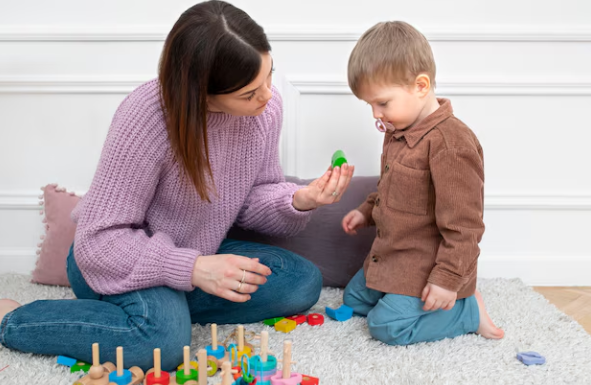
Additionally, look for other related therapy services in the Muscatine area, such as speech therapy or occupational therapy. Many children with autism benefit from a multidisciplinary approach, where different therapies work together to address various developmental needs. A holistic approach can yield the best outcomes for your child. 

Real Results: ABA Therapy Success in Iowa 

Families across Iowa who engage in consistent ABA therapy often see meaningful improvements in their children's lives. These improvements can range from small, yet significant, gains in communication skills to a reduction in challenging behaviors, allowing for greater participation in family and community activities. 

ABA therapy focuses on measurable outcomes. BCBAs continuously collect data on your child's progress, allowing them to adjust treatment plans as needed. This data-driven approach ensures that the therapy remains effective and responsive to your child's evolving needs, maximizing their learning potential. 

The long-term benefits of early and consistent ABA therapy are profound. Children often gain greater independence, develop stronger social connections, and acquire skills that support them throughout their schooling and into adulthood. These positive changes empower both. The child and their entire family, fostering a more harmonious home environment and a brighter future. 

Your Next Steps 

Finding the right ABA therapy in Iowa for your child is a journey that requires careful research, advocacy, and a commitment to their well-being. This guide has provided you with essential information, from understanding what ABA therapy entails to navigating the specific considerations for families in Muscatine and the surrounding rural areas. 

Remember that you are not alone in this process. There are resources, support networks, and dedicated professionals ready to help. Take the time to evaluate your options, ask thorough questions, and choose a provider that aligns with your family's values and your child's unique needs. 

The most important next step is to begin the conversation. Reach out to a trusted ABA provider today for a consultation. They can help clarify specific details, verify your insurance benefits, and discuss how personalized ABA therapy can make a significant difference in your child's life. Your child's potential is limitless, and quality ABA therapy can help unlock it. 

Frequently Asked Questions (FAQs) 

1. How much does ABA therapy cost in Iowa, and will my insurance cover it? 

The cost of ABA therapy in Iowa can vary widely depending on the intensity of services, the number of hours per week, and the specific provider. Without insurance, costs can be substantial, often ranging from tens of thousands of dollars annually for comprehensive programs. 

However, many private insurance plans in Iowa are mandated to cover ABA therapy for autism. Additionally, Iowa Medicaid and programs like the Iowa Autism Support Program (ASP) can help cover expenses for eligible families. It is crucial to contact your specific insurance provider or the ABA clinic directly for a personalized benefits check and to understand any out-of-pocket costs. 

2. What qualifications should I look for in an ABA therapist in Iowa?

When selecting an ABA therapy provider in Iowa, ensure that the therapy is supervised by a Board Certified Behavior Analyst (BCBA). BCBAs hold a master's or doctoral degree, have completed supervised fieldwork, and passed a rigorous national examination. They are responsible for designing and overseeing your child's treatment plan. 

The direct implementation of therapy is often carried out by Registered Behavior Technicians (RBTs). RBTs must complete specific training, pass a competency assessment, and work under the direct supervision of a BCBA. Verifying these credentials helps ensure your child receives high-quality, evidence-based care. 

3. How long is the waitlist for ABA therapy in the Muscatine area? 

Wait times for ABA therapy in the Muscatine area, and in many rural parts of Iowa, can vary. Due to the limited number of qualified ABA professionals, some clinics may have waitlists that range from a few weeks to several months. This is a common challenge for families seeking specialized services. 

It is best to inquire about current wait times during your initial contact with any potential ABA provider. Some clinics may offer different programs or have flexible scheduling that could reduce the wait. It is always a good idea to reach out to multiple providers to explore all available options. 

4. Can ABA therapy be done at home or school in Iowa? 

Yes, ABA therapy in Iowa can often be delivered in various settings, including your home, a clinic, or even your child's school. The choice of setting often depends on your child's specific needs, the goals of the treatment plan, and the availability of services in your area. 

In-home ABA therapy provides the benefit of teaching skills in the child's natural environment, which can help with generalization. School-based ABA involves collaboration with teachers and school staff to support your child's learning and behavior in the educational setting. Many providers offer a combination of these models. 

5. What results can I expect from ABA therapy for my child in Iowa? 

The results from ABA therapy are highly individualized, as treatment plans are tailored to each child's unique strengths and challenges. Consistent and high-quality ABA therapy can lead to significant improvements in various areas. These include enhanced communication skills, improved social interactions, and a reduction in challenging behaviors.

Families often observe their children developing greater independence, learning new academic skills, and adapting better to daily routines. The effectiveness of ABA is continuously monitored through data collection, allowing therapists to adjust strategies to ensure your child makes the best possible progress over time.

The Ultimate Guide to Choosing Aba Therapy Providers in Iowa

Raising a child with Autism Spectrum Disorder (ASD) can present unique challenges, and finding the right support is a crucial step towards their growth and development. For families across Iowa, especially those in Muscatine and surrounding rural communities, understanding available therapies and how to access them is essential. 

Applied Behavior Analysis (ABA) therapy stands out as a highly effective, evidence-based intervention. It helps children and individuals with autism develop new skills, reduce challenging behaviors, and enhance their overall quality of life. This guide is your comprehensive resource for navigating the landscape of ABA therapy in Iowa and finding the best fit for your family. 

We understand the journey can feel overwhelming, with questions about where to start, what to expect, and how to manage costs. Our goal is to provide clear, practical information, empowering you to make informed decisions for your child's future.

Understanding ABA Therapy in Iowa 

What is ABA Therapy and Why It's Essential for Iowa Children 

Applied Behavior Analysis is a scientific approach to understanding behavior and how it is affected by the environment. In the context of autism, ABA therapy uses these principles to teach socially significant behaviors. This includes improving communication skills, social interactions, academic abilities, and daily living skills, while also addressing challenging behaviors like aggression or self-injury. 

Decades of research support ABA as an effective treatment for individuals with ASD. It is endorsed by numerous government agencies and professional organizations, including the American Academy of Pediatrics. The therapy is highly individualized, meaning it is tailored to each child's unique needs and goals. 

For children in Iowa, access to quality ABA services can significantly impact their developmental trajectory. Early intervention, often delivered through ABA, is particularly beneficial, helping children build foundational skills during critical developmental periods. This proactive approach can lead to lasting positive changes. 

The Iowa Autism Landscape: Statistics and Challenges 

Autism Spectrum Disorder is increasingly recognized across Iowa. While precise state-specific prevalence rates can vary, national trends suggest that approximately 1 in 36 children are identified with ASD. This means many Iowa families are seeking effective therapeutic interventions. 

However, families in Iowa, especially those in rural areas like Muscatine County, often face unique challenges in accessing care. There is a shortage of qualified ABA professionals, known as Board Certified Behavior Analysts (BCBAs), throughout the state. Currently, fewer than 200 BCBAs are licensed in Iowa, which impacts service availability. 

This shortage can lead to long wait times and limited options, particularly in smaller communities such as Wilton, Durant, Stockton, Walcott, Blue Grass, Moscow, Atalissa, Buffalo, and West Liberty. Many providers tend to concentrate in larger metropolitan areas, leaving rural families with fewer choices and longer travel distances for services. 

The ABA Therapy Process in Iowa 

From Diagnosis to Treatment: Your Step-by-Step Guide

The journey to ABA therapy typically begins with an autism diagnosis from a qualified professional, such as a developmental pediatrician, neurologist, or psychologist. Once a diagnosis is confirmed, the next step is often to seek a comprehensive assessment from an ABA provider. 

During this initial assessment, a BCBA will evaluate your child's current skills, strengths, and areas needing support. They observe behavior, review developmental history, and consult with parents to understand family goals. This thorough evaluation forms the basis for creating a personalized treatment plan. 

The individualized treatment plan will outline specific, measurable goals tailored to your child. Therapy sessions are typically structured and intensive, occurring multiple times a week. Your child will work with a Registered Behavior Technician (RBT) under the close supervision supervision of a BCBA, focusing on teaching new skills and reducing challenging behaviors through positive reinforcement. 

Iowa-Specific Considerations 

Iowa has programs designed to support families of children with autism. The Iowa Autism Support Program (ASP), for instance, helps provide funding for eligible families to access services. This program has processed hundreds of applications, with many children receiving ABA services, averaging 14 months of support. 

Medicaid in Iowa also offers coverage for ABA therapy for eligible individuals. It is important to understand the specific requirements and limitations of Medicaid benefits, as they can vary. Families should check their plan details or contact a provider for assistance with navigating these guidelines. 

Private insurance companies operating in Iowa are generally mandated to cover ABA therapy for autism, thanks to state laws. However, coverage can differ significantly based on your specific policy, including deductibles, co-pays, and maximum benefit limits. Always verify your insurance benefits directly with your provider and the ABA clinic. 

How to Choose the Best ABA Therapy Provider in Iowa 

Key Factors to Consider When Selecting an ABA Provider 

Choosing the right ABA provider is one of the most important decisions you will make for your child. Start by ensuring the provider employs Board Certified Behavior Analysts (BCBAs) to oversee therapy. BCBAs have advanced degrees and extensive training in ABA, ensuring evidence-based practices are implemented. 

Also, inquire about Registered Behavior Technicians (RBTs) who directly implement the therapy. RBTs undergo specific training and work under the direct supervision of a BCBA. Their qualifications and ongoing training are vital for effective treatment delivery. 

During consultations, ask about their approach to individualized treatment, parent involvement, and data collection. A good provider will involve you in goal setting and regularly update you on your child's progress. They should be transparent about their methods and eager to answer all your questions. 

Look for red flags such as a lack of transparency, unwillingness to share data, or promises of "cures" for autism. ABA is about skill development and behavior modification, not curing a developmental difference. Trust your instincts and ensure the provider prioritizes your child's well-being and developmental goals. 

Local Provider Spotlight: Muscatine & Surrounding Areas 

While finding ABA therapy in rural Iowa can be challenging, dedicated providers are working to bridge this gap. Families in Muscatine and surrounding communities like Wilton, Durant, and West Liberty should seek out clinics that prioritize local access. These providers may offer both center-based and in-home therapy options. 

Center-based programs provide a structured environment, often with opportunities for social interaction with peers. In-home therapy offers the advantage of practicing skills in the child's natural environment, which can be highly effective for generalization of learned behaviors. Some providers also offer school-based ABA services, coordinating directly with your child's educational team. 

When searching for services near Muscatine, consider reaching out to local health departments or autism support groups for recommendations. These local resources can often connect you with providers who understand the specific needs and logistics of families in the area. Always ask about their service area to confirm they serve your community. 

Financial Considerations and Insurance 

Understanding ABA Therapy Costs in Iowa 

The cost of ABA therapy can vary significantly based on factors such as the intensity of services, the number of hours per week, and the qualifications of the therapists. Without insurance coverage, ABA therapy can be expensive, with average costs per child potentially reaching over $30,000 annually, as seen in some program data. 

Many providers offer different service models, including comprehensive ABA programs for younger children requiring many hours, and focused programs for specific skill deficits or behavioral challenges. Each model comes with its own cost structure. It is important to get a clear breakdown of all potential fees during your initial consultation. 

Some factors that influence pricing include the experience level of the BCBA, the RBT-to-client ratio, and whether the therapy is provided in a clinic, in-home, or at school. Understanding these components will help you budget and plan for your child's therapy needs effectively. 

Navigating Iowa's Insurance Landscape 

Navigating insurance coverage for ABA therapy in Iowa can be complex, but it is a critical step for most families. Begin by contacting your insurance company directly to inquire about your specific benefits for ABA therapy. Ask about co-pays, deductibles, out-of-pocket maximums, and any authorization requirements. 

Many ABA providers in Iowa offer assistance with insurance verification. They have staff dedicated to working with insurance companies, helping families understand their benefits and obtain necessary pre-authorizations. This service can significantly ease the administrative burden on parents. 

Be aware that some insurance plans may have limitations on the number of hours covered per week or year, or they may require specific documentation from your child's diagnosing physician. Understanding these details upfront can prevent unexpected costs. Do not hesitate to advocate for your child's needs with your insurance provider. 

Getting Started with ABA Therapy 

Your Action Plan: From Research to First Session 

Once you have identified potential ABA providers in Iowa, schedule initial consultations. Use these meetings to ask all your questions about their philosophy, methods, staff qualifications, and scheduling availability. It is also a good opportunity to observe the environment if it is a clinic setting. 

Be prepared for potential wait times, especially in high-demand areas or for specific programs. Some clinics may have immediate openings, while others might have waitlists stretching several months. Ask about typical wait times during your initial inquiry, and inquire if there are any interim support options available. 

Before your first session, prepare your child by talking about what to expect in simple, positive terms. Gather all necessary documents, including diagnostic reports, insurance cards, and any previous therapy records. A well-prepared start can help make the transition smoother for everyone. 

Local Resources for Muscatine Families 

Families in Muscatine seeking ABA therapy often benefit from connecting with local support networks. Community organizations and parent support groups can provide invaluable advice, share personal experiences, and offer emotional support. These groups often know about local resources that might not be widely advertised. 

Your child's school district in Iowa can also be a key partner in their developmental journey. They may offer special education services, and ABA providers can sometimes collaborate with schools to ensure consistency between home, therapy, and educational settings. Discussing your child's ABA therapy with school staff can help create a more unified support system. 

Additionally, look for other related therapy services in the Muscatine area, such as speech therapy or occupational therapy. Many children with autism benefit from a multidisciplinary approach, where different therapies work together to address various developmental needs. A holistic approach can yield the best outcomes for your child. 

Real Results: ABA Therapy Success in Iowa 

Families across Iowa who engage in consistent ABA therapy often see meaningful improvements in their children's lives. These improvements can range from small, yet significant, gains in communication skills to a reduction in challenging behaviors, allowing for greater participation in family and community activities. 

ABA therapy focuses on measurable outcomes. BCBAs continuously collect data on your child's progress, allowing them to adjust treatment plans as needed. This data-driven approach ensures that the therapy remains effective and responsive to your child's evolving needs, maximizing their learning potential. 

The long-term benefits of early and consistent ABA therapy are profound. Children often gain greater independence, develop stronger social connections, and acquire skills that support them throughout their schooling and into adulthood. These positive changes empower both. The child and their entire family, fostering a more harmonious home environment and a brighter future. 

Your Next Steps 

Finding the right ABA therapy in Iowa for your child is a journey that requires careful research, advocacy, and a commitment to their well-being. This guide has provided you with essential information, from understanding what ABA therapy entails to navigating the specific considerations for families in Muscatine and the surrounding rural areas. 

Remember that you are not alone in this process. There are resources, support networks, and dedicated professionals ready to help. Take the time to evaluate your options, ask thorough questions, and choose a provider that aligns with your family's values and your child's unique needs. 

The most important next step is to begin the conversation. Reach out to a trusted ABA provider today for a consultation. They can help clarify specific details, verify your insurance benefits, and discuss how personalized ABA therapy can make a significant difference in your child's life. Your child's potential is limitless, and quality ABA therapy can help unlock it. 

Frequently Asked Questions (FAQs) 

1. How much does ABA therapy cost in Iowa, and will my insurance cover it? 

The cost of ABA therapy in Iowa can vary widely depending on the intensity of services, the number of hours per week, and the specific provider. Without insurance, costs can be substantial, often ranging from tens of thousands of dollars annually for comprehensive programs. 

However, many private insurance plans in Iowa are mandated to cover ABA therapy for autism. Additionally, Iowa Medicaid and programs like the Iowa Autism Support Program (ASP) can help cover expenses for eligible families. It is crucial to contact your specific insurance provider or the ABA clinic directly for a personalized benefits check and to understand any out-of-pocket costs. 

2. What qualifications should I look for in an ABA therapist in Iowa?

When selecting an ABA therapy provider in Iowa, ensure that the therapy is supervised by a Board Certified Behavior Analyst (BCBA). BCBAs hold a master's or doctoral degree, have completed supervised fieldwork, and passed a rigorous national examination. They are responsible for designing and overseeing your child's treatment plan. 

The direct implementation of therapy is often carried out by Registered Behavior Technicians (RBTs). RBTs must complete specific training, pass a competency assessment, and work under the direct supervision of a BCBA. Verifying these credentials helps ensure your child receives high-quality, evidence-based care. 

3. How long is the waitlist for ABA therapy in the Muscatine area? 

Wait times for ABA therapy in the Muscatine area, and in many rural parts of Iowa, can vary. Due to the limited number of qualified ABA professionals, some clinics may have waitlists that range from a few weeks to several months. This is a common challenge for families seeking specialized services. 

It is best to inquire about current wait times during your initial contact with any potential ABA provider. Some clinics may offer different programs or have flexible scheduling that could reduce the wait. It is always a good idea to reach out to multiple providers to explore all available options. 

4. Can ABA therapy be done at home or school in Iowa? 

Yes, ABA therapy in Iowa can often be delivered in various settings, including your home, a clinic, or even your child's school. The choice of setting often depends on your child's specific needs, the goals of the treatment plan, and the availability of services in your area. 

In-home ABA therapy provides the benefit of teaching skills in the child's natural environment, which can help with generalization. School-based ABA involves collaboration with teachers and school staff to support your child's learning and behavior in the educational setting. Many providers offer a combination of these models. 

5. What results can I expect from ABA therapy for my child in Iowa? 

The results from ABA therapy are highly individualized, as treatment plans are tailored to each child's unique strengths and challenges. Consistent and high-quality ABA therapy can lead to significant improvements in various areas. These include enhanced communication skills, improved social interactions, and a reduction in challenging behaviors.

Families often observe their children developing greater independence, learning new academic skills, and adapting better to daily routines. The effectiveness of ABA is continuously monitored through data collection, allowing therapists to adjust strategies to ensure your child makes the best possible progress over time.