

Are you a parent in Iowa navigating the journey of finding effective support for your child with autism spectrum disorder? It can feel like a complex maze, especially when trying to understand therapy options and how they are covered. Many families wonder if specialized support, like Applied Behavior Analysis (ABA) therapy, is truly accessible where they live and how they can afford it. This guide is designed to simplify that process for you.
We will explore how in-home ABA therapy works in Iowa, what benefits it offers, and crucially, how various insurance plans and state programs help cover these essential services. You will find practical steps, insights into coverage, and advice on how to get started, ensuring your child receives the support they need right in the comfort of your home.
Understanding In-Home ABA Therapy in Iowa
Applied Behavior Analysis, or ABA therapy, is a widely recognized and evidence-based approach used to improve social, communication, and learning skills in children and adults with autism spectrum disorder. It focuses on teaching new skills and reducing challenging behaviors by understanding how behavior works and applying interventions based on those principles. ABA therapy is not a one-size-fits-all solution; it is highly individualized to meet the specific needs of each person. In Iowa, the demand for effective autism behavioral therapy is growing. Statistics show that a significant number of children in Iowa are diagnosed with autism, highlighting the critical need for accessible and high-quality services. ABA therapy aims to empower individuals with autism to lead more independent and fulfilling lives by developing crucial life skills. Choosing in-home ABA therapy offers distinct advantages for many Iowa families.
Therapy sessions take place in a familiar environment, which can help children feel more comfortable and ready to learn. This setting also allows therapists to work on skills directly relevant to the child's daily life, such as routines, social interactions with family members, and self-help skills within their home. Furthermore, in-home services provide unique opportunities for parents and caregivers to be actively involved in the therapy process.
Iowa's Insurance Landscape for ABA Therapy
Navigating the world of insurance coverage for ABA therapy can be one of the most challenging aspects for parents. Fortunately, Iowa has made significant strides in ensuring that this vital service is accessible. Understanding the different avenues for coverage is key to getting your child the support they need.
Iowa Medicaid Coverage for ABA
Iowa Medicaid provides comprehensive coverage for ABA therapy for eligible children under the age of 21. This is a crucial resource for many families across the state, ensuring that financial barriers do not prevent access to care. Coverage is typically provided as a medically necessary service under the Early and Periodic Screening, Diagnostic, and Treatment (EPSDT) benefit. To qualify for Medicaid coverage, your child must have a formal diagnosis of autism spectrum disorder from a qualified professional.
The services covered generally include initial assessments, the development of individualized treatment plans, direct therapy sessions with a trained ABA therapist, and supervision by a Board Certified Behavior Analyst (BCBA). Families interested in this option should contact their local Department of Health and Human Services office or an enrollment specialist to determine eligibility and begin the application process.
Iowa Autism Support Program (ASP)
Beyond Medicaid, Iowa offers the Autism Support Program (ASP), which is specifically designed to assist families with the costs associated with autism treatment, including ABA therapy. This program can provide substantial financial relief, offering up to $36,000 annually per eligible child. The ASP aims to ensure that children with autism receive timely and appropriate interventions, regardless of their family's income or private insurance status. Eligibility for the ASP typically applies to children under the age of 14 who have received an autism diagnosis. The program has specific criteria that families must meet, and there is an application process to follow.
It is highly recommended that families explore the ASP as a potential funding source, as it can significantly reduce out-of-pocket expenses and broaden access to quality behavioral intervention in Iowa. You can find more information through the Iowa Department of Health and Human Services website.
Private Insurance Mandates
Iowa has specific laws that mandate private health insurance companies to cover ABA therapy for individuals with autism. A state law passed in 2018 expanded this coverage, making it easier for families with private insurance plans to access services. This means that many private insurance providers operating in Iowa are required to include ABA therapy as a covered benefit. Coverage details can vary depending on your specific plan.
It is always wise to contact your insurance provider directly to verify your benefits, understand any deductibles, co-pays, or out-of-pocket maximums, and learn about the authorization process. Many ABA therapy providers have staff dedicated to helping families navigate these insurance complexities, making the process smoother. They can assist with verifying benefits and submitting pre-authorization requests to ensure your services are covered.
HAWK-I and Future Coverage
The Healthy and Well Kids in Iowa (HAWK-I) program provides health care coverage for uninsured children and teenagers in Iowa. While HAWK-I has historically had some limitations regarding extensive ABA therapy coverage compared to Medicaid, legislative efforts continue to review and update coverage policies. Families with HAWK-I should periodically check for the latest updates on autism therapy benefits. As of recent discussions and future legislative changes, there's ongoing work to ensure more comprehensive behavioral health services for children enrolled in HAWK-I.
Families need to stay informed about these potential changes. If current HAWK-I coverage is limited, families can explore other options like the Iowa Autism Support Program or discuss alternative funding strategies with their chosen ABA provider. Advocacy groups are also working to expand access and improve coverage for early intervention Iowa autism services across all programs.
Getting Started with In-Home ABA in Iowa
Embarking on the journey of ABA therapy for your child is a significant step, and knowing what to expect can ease anxieties. The process, while comprehensive, is designed to ensure your child receives tailored and effective support. Here's a practical guide to getting started with in-home ABA therapy in Iowa.

The Step-by-Step Process
The path to starting in-home ABA services typically begins with an initial consultation. This meeting allows you to discuss your child's needs, your family's goals, and any concerns you might have. Following this, a qualified Board Certified Behavior Analyst (BCBA) will conduct a thorough assessment of your child. This assessment helps identify specific strengths, areas for growth, and challenging behaviors, forming the foundation of their individualized treatment plan. Once the assessment is complete, the BCBA develops a comprehensive treatment plan.
This plan outlines specific goals, strategies, and the recommended intensity of therapy (e.g., number of hours per week). Simultaneously, your chosen provider will work with you to secure insurance authorization.
This step involves submitting the treatment plan and relevant documentation to your insurance company or the Iowa Autism Support Program for approval. This authorization process usually takes several weeks. Once approval is granted, therapy sessions can officially begin, with therapists coming to your home to implement the personalized plan.
What to Expect from In-Home Services
In-home ABA therapy sessions are dynamic and focus on teaching skills within natural environments. A typical session structure might involve a behavior technician engaging your child in various activities designed to promote communication, social interaction, play, and self-help skills. These activities are carefully chosen based on the child's treatment plan and preferences, often incorporating their favorite toys or routines. Parent involvement is a cornerstone of successful in-home ABA therapy.
Therapists will often provide parent training, equipping you with strategies and techniques to support your child's learning outside of therapy sessions. This collaborative approach helps generalize learned skills to different situations and settings, making progress more consistent. Progress tracking is continuous, with data collected during each session. This data is regularly reviewed by the BCBA to measure growth, make necessary adjustments to the treatment plan, and ensure the therapy remains effective and responsive to your child's evolving needs.
Local Provider Options in Iowa
While ABA services are available across Iowa, finding the right provider that offers in-home services and fits your family's needs is important. Many providers have expanded their reach to serve various regions, including more rural areas, understanding the unique needs of Iowa families. When searching for ABA providers in Iowa, it is helpful to inquire about their service area to ensure they can offer in-home support where you live. When evaluating potential providers, consider asking several key questions.
Inquire about the qualifications of their BCBAs and behavior technicians, their experience with children of your child's age and specific needs, and their approach to parent training and involvement. It is also wise to ask about their specific availability for in-home sessions, their philosophy of care, and how they tailor programs to individual children. A provider's commitment to clear communication and collaboration with your family is vital for a successful therapy experience.
Costs and Financial Considerations for ABA Therapy
Understanding the financial aspects of ABA therapy is a major concern for many families. While insurance and state programs offer significant coverage, it's helpful to have a clear picture of potential costs and available financial assistance. The average cost of ABA therapy in Iowa can vary widely depending on the intensity of services and the specific provider. Without insurance or state support, out-of-pocket costs can be substantial, often ranging from $60 to $150 per hour. Given that many ABA programs recommend 20-40 hours of therapy per week for optimal outcomes, these costs can quickly add up. This makes leveraging insurance benefits and programs like the Iowa Autism Support Program absolutely essential for most families. Even with insurance or ASP coverage, families may still incur some out-of-pocket expenses.
These can include deductibles, co-pays, and co-insurance, which are specific amounts you are responsible for paying. It's important to clarify these details with your insurance provider and potential ABA agencies upfront. Many providers have billing specialists who can help you understand your specific financial responsibility. Beyond insurance and the ASP, there are other avenues for financial assistance.
Some non-profit organizations and autism advocacy groups in Iowa may offer grants or scholarships to help cover therapy costs. It's also worth investigating if any tax deductions or credits are available for medical expenses related to autism treatment. Always consult with a financial advisor or tax professional for personalized guidance on these matters. Providers of autism behavioral therapy Iowa can often provide resources for these programs.
Maximizing Therapy Success with In-Home ABA
For in-home ABA therapy to be most effective, a collaborative and consistent approach is key. Families play a crucial role in reinforcing what is learned during therapy sessions. By actively participating and communicating with the therapy team, you can help your child achieve the best possible outcomes.
Setting Realistic Goals and Expectations
One of the most important steps in maximizing therapy success is to work closely with your BCBA to set realistic and meaningful goals for your child. These goals should be specific, measurable, achievable, relevant, and time-bound (SMART goals). It is important to remember that progress happens at different rates for every child. Celebrating small victories and maintaining open communication with your therapy team about your child's progress and challenges can make a big difference. Understanding that ABA therapy is a journey, not a quick fix, helps manage expectations.
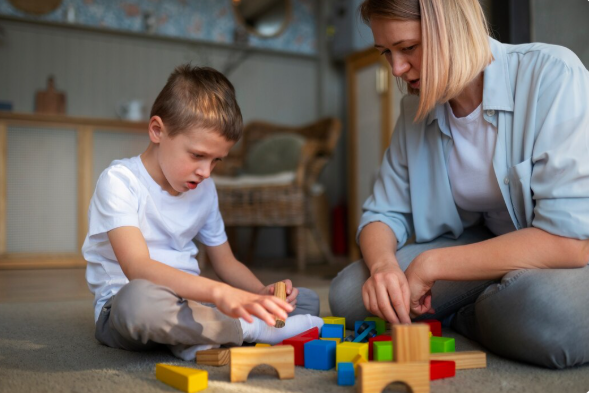
Consistent attendance, active family participation, and patience are all vital components. Your BCBA will regularly review your child's treatment plan and adjust goals as needed, ensuring the therapy remains focused on their evolving developmental needs and continues to promote positive behavioral intervention.
School Collaboration and IEP Integration
For school-aged children, integrating in-home ABA therapy with school-based services is often beneficial. Your ABA team can collaborate with your child's school and Individualized Education Program (IEP) team to ensure consistency in strategies and goals across different environments. This might involve sharing successful techniques used at home with school staff or aligning goals to support academic and social success in the classroom.
Effective communication between your in-home ABA provider and your child's school is a practical strategy. With your permission, therapists can attend IEP meetings or consult with teachers to create a unified approach to your child's learning and development. This coordinated effort helps generalize skills, meaning your child can apply what they learn in therapy to school, home, and community settings, reinforcing the benefits of in-home autism therapy Iowa.
Parent Training and Support Resources
Parents are truly partners in the ABA therapy process. Most in-home ABA programs include comprehensive parent training as a core component. This training empowers you with the knowledge and skills to understand your child's behaviors, implement effective strategies, and support their learning throughout the day. Learning these techniques helps create a consistent and supportive environment that reinforces the skills taught during therapy sessions. Beyond direct training, connecting with other families and accessing local support resources can be incredibly beneficial. Support groups, online forums, and advocacy organizations in Iowa offer opportunities to share experiences, gain insights, and find emotional support.
These resources can help families feel less isolated and more confident in their ability to support their child's development. Look for community groups and state-specific autism resources for additional support.
Measuring Progress and Adjusting Plans
A key strength of ABA therapy is its data-driven approach. Therapists consistently collect data on your child's progress toward their individualized goals. This data allows the BCBA to objectively track skill acquisition, identify areas where more support is needed, and make informed decisions about modifying the treatment plan. Regular meetings with your BCBA to review this data are essential. During these review meetings, you will discuss your child's achievements, any new challenges that have arisen, and proposed adjustments to the therapy plan.
This collaborative discussion ensures that the therapy remains effective and responsive to your child's needs. It is a continuous cycle of assessment, intervention, and evaluation, ensuring your child always receives the most appropriate and effective behavioral intervention Iowa has to offer.
Conclusion
Navigating the world of in-home ABA therapy in Iowa doesn't have to be an overwhelming experience. With the right information and practical steps, you can confidently secure the support your child needs. Iowa offers a robust framework of covered services, from comprehensive Medicaid benefits to the dedicated Iowa Autism Support Program and state-mandated private insurance coverage. Remember, finding the right provider and understanding your financial options are key steps.
By asking the right questions, engaging with your therapy team, and leveraging available resources, you can ensure your child receives high-quality, individualized behavioral intervention right in the comfort of your own home. Take that first step today toward a brighter future for your child and family. Contact a local A New Start ABA provider to schedule a consultation and learn more about getting started with in-home ABA therapy in Iowa.
Frequently Asked Questions About In-Home ABA Therapy in Iowa
It is common for families to have many questions about in-home ABA therapy. Here are some of the most frequently asked questions and their answers, designed to provide clarity and practical guidance for Iowa families.
1. Does Iowa Medicaid cover ABA therapy for autism?
Yes, Iowa Medicaid does cover ABA therapy as a medically necessary service for eligible children under 21 with an autism diagnosis. This coverage is provided through the Early and Periodic Screening, Diagnostic, and Treatment (EPSDT) benefit. It typically includes initial assessments, the development of individualized treatment plans, and direct therapy sessions provided by qualified professionals.
Families seeking to utilize Iowa Medicaid for ABA therapy should ensure their child has a formal diagnosis from a professional. The next step involves working with a Medicaid-enrolled ABA provider who can guide you through the authorization process. Coverage ensures that vital autism behavioral therapy is accessible to a wide range of Iowa families.
2. How much does ABA therapy cost in Iowa without insurance?
The cost of ABA therapy in Iowa without insurance can vary significantly, but it is generally quite expensive due to the intensive nature of the treatment. Out-of-pocket costs can range from approximately $60 to $150 per hour. Given that many effective ABA programs recommend 20-40 hours of therapy per week, the weekly and annual costs can be substantial for families paying privately. However, it is crucial to remember that options like the Iowa Autism Support Program (ASP) can provide up to $36,000 annually for eligible children under 14, significantly reducing private costs.
Additionally, many families are covered by either Iowa Medicaid or private insurance plans mandated to cover ABA therapy. Always explore these coverage options before considering full out-of-pocket payment.
3. How long is the wait to start ABA therapy in Iowa?
Wait times to start ABA therapy in Iowa can vary depending on the specific provider, their current caseload, and your geographic location within the state. Generally, the process involves several steps that each have their own timeline. This includes insurance verification, which might take 1-2 weeks, followed by scheduling an initial assessment, typically within another 1-2 weeks. After the assessment, the development of a personalized treatment plan usually takes about a week, and then insurance authorization can take an additional 2-4 weeks. Some providers, especially those in high-demand areas or with specialized services, might have longer waitlists for initial appointments. It is advisable to inquire about current wait times when you first contact potential ABA providers.
4. What qualifications should I look for in an Iowa ABA provider?
When choosing an in-home ABA therapy provider in Iowa, it is essential to look for specific qualifications to ensure high-quality care. First and foremost, verify that the lead clinician overseeing your child's program is a Board Certified Behavior Analyst (BCBA) licensed to practice in Iowa. Their credentials ensure they meet national standards for expertise and ethical practice in Applied Behavior Analysis. Additionally, inquire about the training and supervision provided to the behavior technicians who will be working directly with your child. Look for providers enrolled with Iowa Medicaid who accept your specific private insurance plan. Consider their experience with your child's age group and specific needs.
Positive parent reviews, clear communication practices, and a collaborative approach to family involvement are also important indicators of a reputable and effective provider.
5. Can I get in-home ABA therapy in rural areas of Iowa?
Yes, accessing in-home ABA therapy in rural areas of Iowa is increasingly possible. While services might be more concentrated in larger cities, many dedicated ABA providers are committed to serving families across the entire state. These providers often have therapists who travel to rural communities to deliver services directly in children's homes. The Iowa Autism Support Program is particularly beneficial for families in rural settings, as it helps ensure access to services regardless of geographical location.
When searching for a provider, always inquire about their specific service area and whether they offer in-home services in your particular town or county. You may find that providers are willing to extend their reach to support families in underserved areas.